
Simple Steps to Check Tyre Tread Depth - Tread Depth Measurement Guide
- drivebytyresltd
- May 18
- 4 min read

Keeping your tyres in good condition is essential for safe driving, especially on the roads of Essex where weather and road conditions can change quickly. One of the most important aspects of tyre maintenance is monitoring the tread depth. Worn-out tyres can lead to poor grip, longer stopping distances, and increased risk of accidents. In this guide, I’ll walk you through simple steps to check your tyre tread depth and explain why it matters.
Why Tread Depth Matters - Tread Depth Measurement Guide
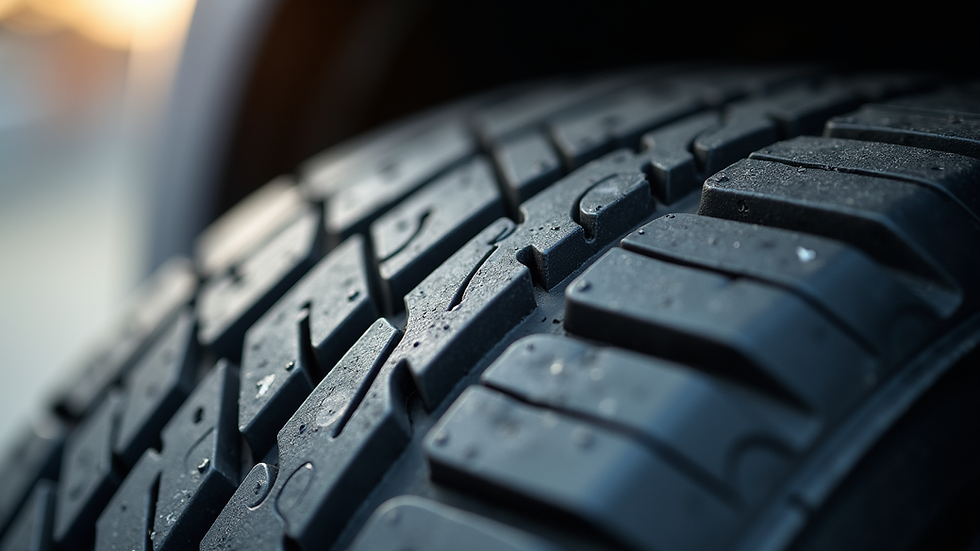
Tyre tread is the pattern of grooves and ridges on the surface of your tyres. These grooves help channel water away from the tyre, improving grip on wet roads and reducing the risk of aquaplaning. As the tread wears down, your tyres lose their ability to grip the road properly.
In the UK, the legal minimum tread depth is 1.6mm across the central three-quarters of the tyre and around the entire circumference. However, many experts recommend replacing tyres before they reach this limit, ideally when tread depth falls below 3mm for better safety.
Regularly checking your tread depth helps you spot when your tyres are wearing thin and need replacing. This simple check can save you money by avoiding fines, improve your vehicle’s performance, and most importantly, keep you safe on the road.
How to Check Tyre Tread Depth
Checking your tyre tread depth is easier than you might think. You don’t need any special tools, and it only takes a few minutes. Here’s a straightforward method you can follow:
Use a Tread Depth Gauge or a Coin
The most accurate way is to use a tread depth gauge, which you can buy cheaply online or at an automotive store. If you don’t have one, a 20p coin works well as a quick test.
Insert the Gauge or Coin into the Tread
Place the gauge or coin into the deepest groove of the tyre tread. For the 20p coin, insert it with the outer band facing down. If the outer band is visible, your tread is below 3mm and it’s time to consider replacing the tyre.
Check Multiple Points
Measure the tread depth in several places around the tyre and across the width. Tyres can wear unevenly, so checking multiple spots ensures you get an accurate picture.
Look for Wear Indicators
Most tyres have built-in tread wear indicators - small raised bars in the grooves. When the tread wears down to these bars, it means the tyre has reached the legal limit.
Record Your Findings
Keep a note of your measurements and check regularly, especially before long trips or during seasonal changes.
If you want to learn more about how to check tyre tread depth, this link offers a detailed explanation and tips.
How Long Will 4mm Tyre Tread Last?
Once your tyre tread reaches around 4mm, it’s a good idea to start planning for replacement. While 4mm is above the legal minimum, the safety margin is getting smaller. The lifespan of 4mm tread depends on several factors:
Driving Habits: Aggressive driving, hard braking, and fast cornering wear tyres faster.
Road Conditions: Rough or poorly maintained roads can cause quicker tread wear.
Tyre Quality: Higher quality tyres tend to last longer.
Vehicle Load: Carrying heavy loads regularly can reduce tread life.
On average, tyres with 4mm tread might last another 5,000 to 8,000 miles, but this varies widely. It’s best to monitor tread depth regularly and replace tyres before they become a safety risk.
Signs Your Tyres Need Immediate Attention
Besides tread depth, there are other signs that your tyres might need urgent care:
Visible Damage: Cuts, cracks, or bulges on the tyre sidewall.
Uneven Wear: One side of the tyre is more worn than the other, which could indicate alignment issues.
Vibration While Driving: This might mean tyre imbalance or internal damage.
Frequent Air Pressure Loss: Tyres losing pressure quickly could have punctures or valve problems.
If you notice any of these signs, it’s best to get your tyres checked by a professional as soon as possible. For drivers in Essex, services like Drive By Mobile Tyres Ltd offer 24/7 mobile fitting, making it easy to get help wherever you are.

Tips for Maintaining Your Tyre Tread
To extend the life of your tyres and keep them safe, here are some practical tips:
Check Tyre Pressure Regularly: Under or over-inflated tyres wear unevenly and reduce fuel efficiency.
Rotate Your Tyres: Regular rotation helps even out wear across all tyres.
Avoid Overloading: Stick to your vehicle’s recommended load limits.
Drive Smoothly: Avoid harsh acceleration, braking, and sharp turns.
Get Regular Inspections: Have your tyres checked by a professional at least twice a year.
By following these simple steps, you can keep your tyres in good shape and avoid unexpected problems on the road.
Staying Safe on Essex Roads with Proper Tyre Care
Tyres are your vehicle’s only contact with the road, so their condition directly affects your safety. Regularly checking your tread depth and overall tyre health is a small effort that pays off in peace of mind and safer journeys.
If you ever find yourself needing urgent tyre services in Essex, remember that help is just a call away. Mobile tyre fitting services can come to you, saving you time and hassle while ensuring your tyres are safe and roadworthy.
Taking a few minutes to check your tyres today could prevent a breakdown tomorrow. Stay safe, drive smart, and keep your tyres in top condition.
Thank you for reading this tread depth measurement guide. If you want to keep your vehicle safe and compliant, make tyre checks a regular part of your routine. Your safety on the road depends on it!


Comments