
How to Check Your Tyre Tread Depth: A Simple Guide for Safe Driving
- drivebytyresltd
- 4 days ago
- 4 min read

Keeping your tyres in good condition is essential for safe driving, especially on the roads of Essex where weather and traffic can be unpredictable. One of the most important aspects of tyre maintenance is knowing how to check your tyre tread depth. This simple check can help you avoid accidents, improve fuel efficiency, and save money on costly repairs. In this post, I’ll walk you through everything you need to know about tyre tread depth and how to measure it easily at home or on the go.
Why You Should Regularly Check Tyre Tread Depth
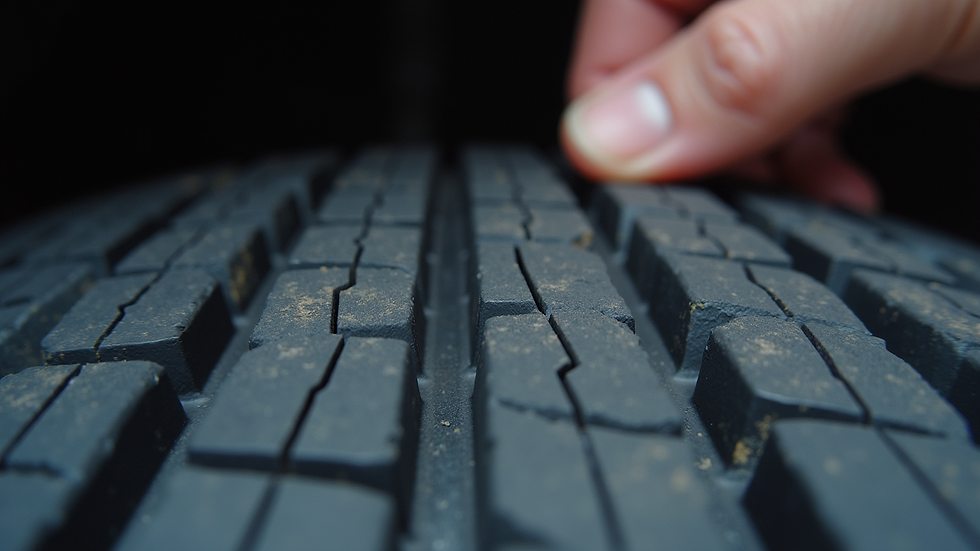
Tyre tread depth is the measurement of the grooves on your tyre’s surface. These grooves help your tyres grip the road, especially in wet or slippery conditions. When the tread wears down, your tyres lose their ability to channel water away, increasing the risk of skidding or hydroplaning.
In the UK, the legal minimum tread depth is 1.6mm across the central three-quarters of the tyre. However, many experts recommend replacing tyres once the tread reaches 3mm for better safety. Regularly checking your tread depth helps you:
Stay safe by maintaining good traction on all road surfaces.
Avoid fines and penalties for driving with illegal tyres.
Improve fuel efficiency as worn tyres can increase rolling resistance.
Extend tyre life by spotting uneven wear early and addressing it.
Checking your tyres is quick and easy, and it’s a habit that can save you from unexpected breakdowns or accidents.
How to Check Tyre Tread Depth Properly
There are several ways to check your tyre tread depth, from using simple tools to visual inspections. Here’s a step-by-step guide to help you do it right:
1. Use a Tread Depth Gauge
A tread depth gauge is a small, inexpensive tool designed specifically for this purpose. Here’s how to use it:
Remove any stones or debris from the tyre grooves.
Insert the gauge’s probe into the deepest part of the tread.
Press the gauge’s base flat against the tyre surface.
Read the measurement on the scale. It will usually be in millimetres.
If the reading is below 1.6mm, it’s time to replace your tyres.
2. The 20p Coin Test
If you don’t have a gauge handy, the 20p coin test is a handy alternative:
Insert a 20p coin into the tyre tread with the outer edge facing down.
If the outer band of the coin is visible, your tread is below 3mm and you should consider replacing the tyre.
If the coin’s edge is covered by the tread, your tyres are still in good shape.
This test is quick and easy, but for the most accurate results, a tread depth gauge is best.
3. Check Multiple Points
Tyres can wear unevenly, so check the tread depth in several places around the tyre:
Inner edge
Centre
Outer edge
Uneven wear might indicate alignment or suspension issues that need professional attention.
4. Look for Wear Indicators
Most tyres have built-in tread wear indicators - small raised bars in the grooves. When the tread wears down to the level of these bars, it’s a clear sign the tyre needs replacing.

How Long Will 2mm Tyre Tread Last?
When your tyre tread reaches 2mm, you’re already below the recommended safety level. At this point, your tyres have significantly reduced grip, especially in wet conditions. The exact lifespan of tyres at 2mm tread depends on your driving habits, road conditions, and vehicle type, but generally:
You should plan to replace your tyres as soon as possible.
Driving on 2mm tread increases the risk of accidents.
Tyres at this depth may fail safety inspections.
If you’re unsure about your tyre condition, it’s best to get a professional opinion. Remember, waiting too long to replace worn tyres can lead to costly repairs or dangerous situations.
Tips for Maintaining Good Tyre Tread
Keeping your tyres in top shape goes beyond just checking tread depth. Here are some practical tips to help you extend tyre life and stay safe on the road:
Check tyre pressure regularly - Under or over-inflated tyres wear unevenly.
Rotate your tyres every 6,000 to 8,000 miles to promote even wear.
Avoid harsh driving such as sudden braking or sharp cornering.
Inspect tyres for damage like cuts, bulges, or punctures.
Get regular wheel alignments to prevent uneven wear.
By following these simple steps, you can get the most out of your tyres and avoid unexpected issues.
When to Call for Professional Tyre Help
If you find your tread depth is low or notice uneven wear, it’s a good idea to contact a professional tyre service. Mobile tyre fitting services in Essex can come to you 24/7, offering fast and convenient solutions without the hassle of visiting a garage.
Professional technicians can:
Accurately measure your tyre tread depth.
Inspect for other tyre damage.
Replace or repair tyres on the spot.
Provide advice on the best tyres for your vehicle and driving needs.
Keeping your tyres in good condition is crucial for your safety and peace of mind. Don’t wait until it’s too late - regular checks and timely replacements keep you safe on the road.
If you want to learn more about how to check tyre tread depth, visit the Drive By Mobile Tyres Ltd blog for detailed guides and expert advice tailored for drivers across Essex.
Stay safe and keep your tyres in top shape!


Comments